
What team building exercises can and cannot fix
Rope courses, escape rooms and cookery classes can make colleagues like each other more, but they leave conflicting targets, unclear responsibilities and broken hand-offs exactly where they were.
The lasting appeal of the off-site
Corporate retreats and outdoor exercises remain a popular choice for leadership teams. Companies spend considerable sums sending staff to obstacle courses, escape rooms or cookery classes. The reasoning seems simple: if colleagues learn to trust one another while solving a physical puzzle or preparing a meal together, they will cooperate better back at the office.
That assumption misreads how professional teams work. A group of people in the same department is not automatically a team, and trust built in a relaxed setting seldom carries over into a high-pressure one. Off-site events create pleasant memories and short-term goodwill, but they rarely change how decisions are made, how information flows or how conflicts are settled. Management often hopes social bonding will cure structural defects, and is disappointed when nothing changes.
What outdoor exercises can and cannot change
To judge any intervention fairly, it helps to separate a temporary lift in mood from a lasting change in how work gets done.
The limits of socialising
Off-site activities do break some barriers. People from different departments meet without the usual hierarchy, and a new hire may talk to a senior director for the first time. Morale can rise for a while, stress eases and participants come back with shared stories.
Personal affinity, however, does not repair a poor workflow. Two managers who get on well will still compete for the same limited budget. An afternoon at a bowling alley will not clarify overlapping job descriptions. Once the event is over, everyone returns to the same pressures, conflicting targets and bottlenecks as before. Social connection makes colleagues more pleasant to deal with; it does not make processes more efficient.
Why fun does not resolve structural conflict
Most friction at work has structural causes rather than personal ones. Poor communication usually stems from unclear responsibilities, conflicting incentives or inadequate tools.
If sales targets reward account managers for promises that production cannot keep, tension between the two departments is inevitable, and no amount of raft building will resolve it. Compulsory games can even breed resentment when staff feel that leadership is ignoring obvious operational problems. Where structural flaws exist, recreational events are a distraction rather than a remedy.
Linking training to daily operations
Training produces lasting results when it mirrors real work. Effective team development happens in the context of daily tasks, planning and decision-making.
If a company does use experiential exercises, they need an explicit link to operational challenges. A problem-solving workshop should work on real company data and live cases. Instead of hypothetical scenarios, participants can analyse an actual project delay, a dispute over resources or a breakdown in communication with suppliers.
Every exercise should be followed by a structured debrief. The facilitator asks how the behaviour seen during the task reflects everyday patterns, and participants agree which habits to stop, start or change. Without this step, the event remains an isolated activity with no visible return.
Measuring the real effect
Few organisations check whether team building produces any operational result. Feedback forms handed out at the end of the day measure enjoyment and satisfaction, not changed behaviour.
A more honest approach compares operational indicators before and after the programme. Relevant measures include:
- cycle time for key processes and deliveries;
- errors and rework at hand-offs between departments;
- voluntary staff turnover in the units concerned;
- projects completed on time and within budget;
- internal customer satisfaction between dependent departments.
The evaluation should run over months rather than days. A successful programme shows up as documented changes in working habits, better decision routines and measurable gains. If the indicators have not moved after a reasonable period, the intervention has not delivered.
Practical alternatives to traditional team building
Leaders who want better cooperation across functions will usually get more from structural changes and work-based workshops than from recreational outings.
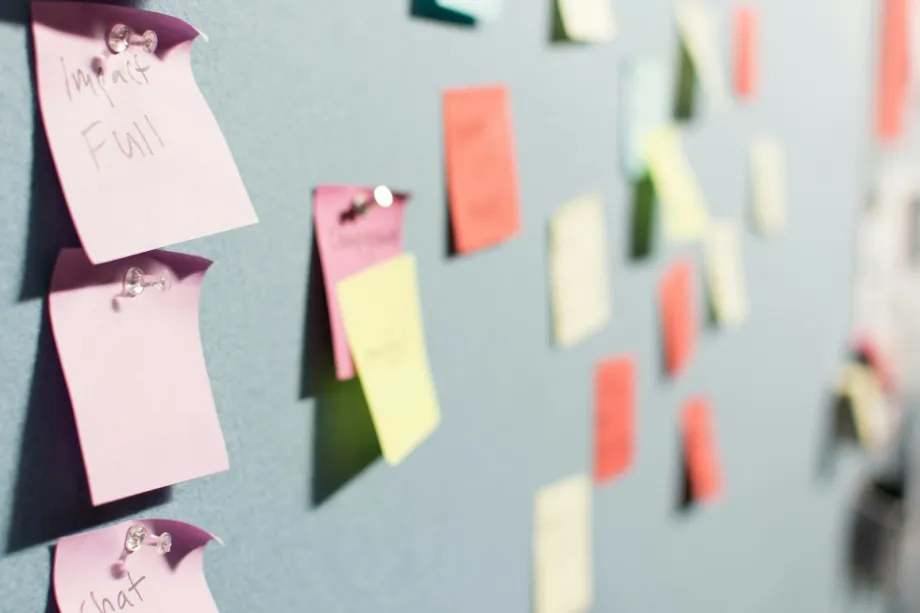
Process mapping is a good place to start. Bring the people involved in a shared workflow together and map it on a wall or a digital board. Finding bottlenecks, duplicated effort and communication gaps in a real process builds genuine alignment, removes daily irritations and shows each group how its decisions affect the next.
Shared incentives come next. Misaligned objectives actively encourage conflict. When interdependent departments are jointly accountable for the final result, cooperation follows far more reliably than from any social event.
Regular project retrospectives help as well. Borrowed from agile software development, a retrospective gives the team a structured look at recent work: what went well, what did not and what concrete change will improve the next cycle. The practice builds constructive feedback into normal operations.
Finally, invest in specific skills. Poor collaboration often comes down to missing abilities: running an efficient meeting, writing a clear brief, holding a difficult performance conversation. Training managers and staff in these practical tools improves daily interaction directly, without relying on artificial exercises.
Frequently asked questions
Do off-site team building events improve daily productivity?
Rarely on their own. They can lift morale and break the ice between departments, but they do not remove operational bottlenecks or poor workflows. Productivity improves when structural issues and communication habits are dealt with in the workplace itself.
How can management connect team training to actual work?
Use real company data and live business cases instead of hypothetical games. Exercises should tackle actual project delays, hand-off problems and resource conflicts, and each session should end with a debrief that names specific habits to change.
What are effective alternatives to traditional team building activities?
Process mapping workshops, shared targets for interdependent departments, regular project retrospectives and practical skills training such as running meetings or writing clear briefs all improve cooperation more reliably than recreational outings.
How should companies measure the success of team development programmes?
Compare operational indicators before and after the programme over several months. Cycle times, errors at departmental hand-offs, delivery against plan and staff turnover are more telling than a satisfaction survey filled in on the day.